Posts

Joe moves to UCD as Lecturer in Bioinorganic Chemistry

In January 2023, Joe joined the Faculty of UCD School of Chemistry as Lecturer in Bioinorganic Chemistry, and the Byrne Group will be moving to Dublin as well. This is a fantastic opportunity to grow the research group into the future and build on the SFI Starting Investigator Research Grant. Joe is very grateful to colleagues at NUI Galway for all their support in the last few years as he built independence – this was vital to securing his first academic post.

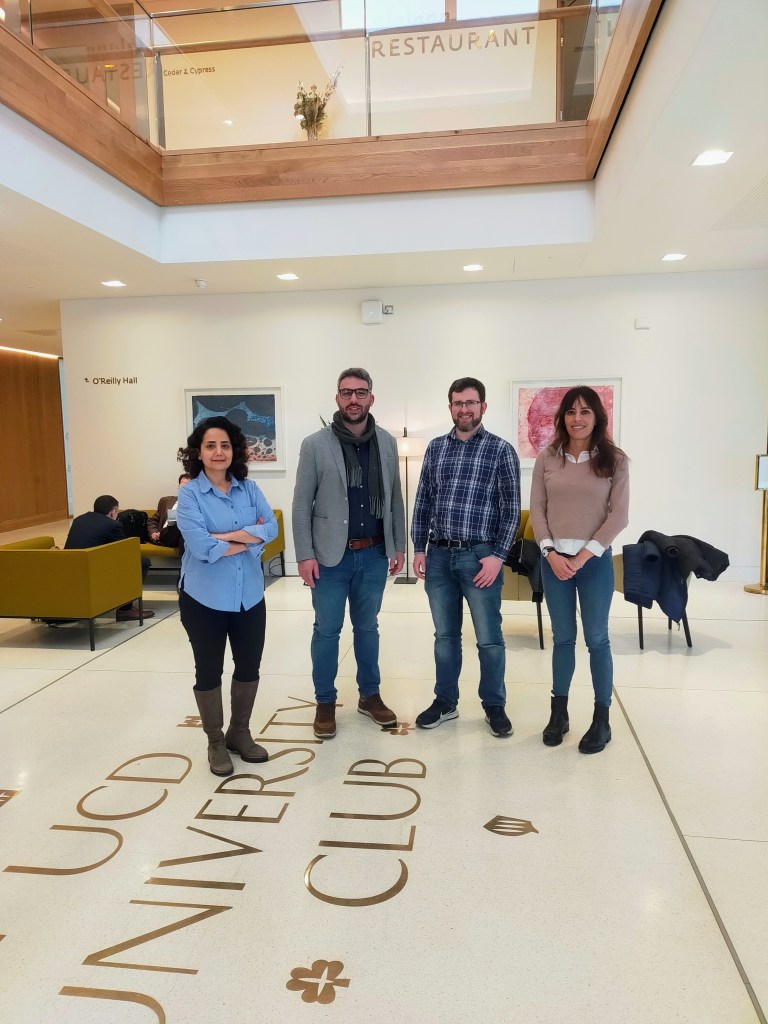
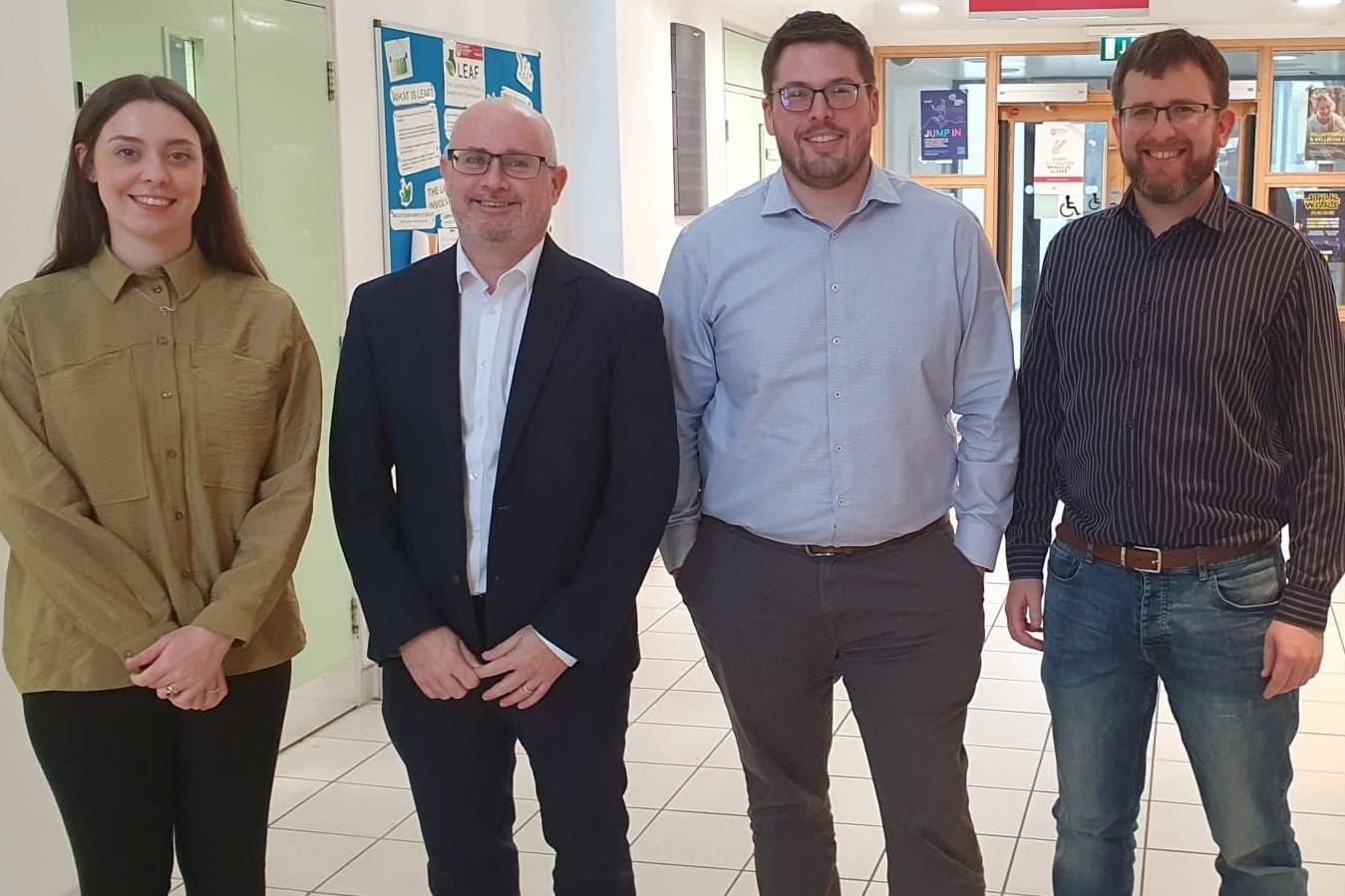
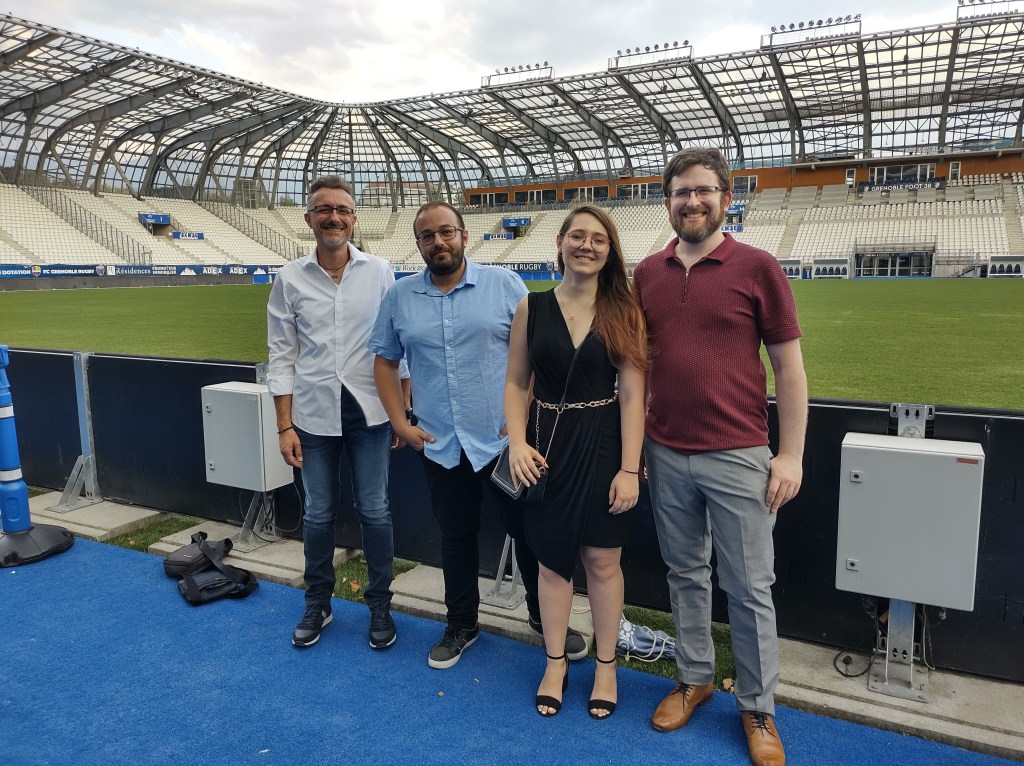
Dr Hannah Crory will also join the team at UCD and new PhD student Thomas Rabbitte, and we will be based in the Synthetic Inorganic Chemistry Lab in Science Centre South alongside the Phillips and Hooper Groups. Joe is one of 4 new Faculty members joining UCD at this time, part of an expanding team in the School of Chemistry (pictured below).

New staff at UCD: Dr Leila Negahdar, Dr Aniello Palma, Dr Joe Byrne, Dr Nadia Elgobashi-Meinhardt

Christmas lunch!

We brought the year to a close with a Christmas group lunch in Hyde, Galway. We also celebrated the completion of the fourth year undergraduate research projects. Shivon Karundu, who carried out her project in our lab celebrated with classmates at the research poster session in the School. Well done on a productive year!

Rosy wins a prize in Threesis Contest

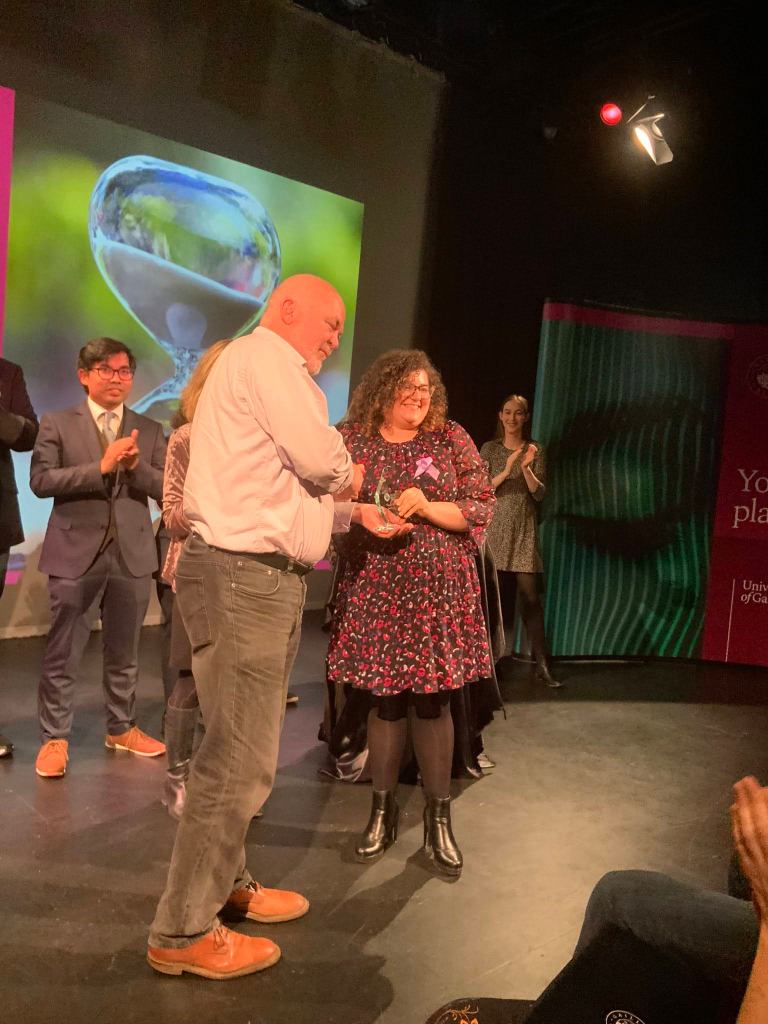
Rosy won second place in the 2022 Threesis Contest, where researchers present their thesis to a lay audience in 3 slides and 3 minutes. Dozens of PhD students from every school in University of Galway competed in this long-running Science Communication challenge this year, including Rosy and Karolina. Rosy’s talk, titled “Tumours play hide and seek; how do we win?” was received very well by the judges and audience and was a well-deserved prize winner. Well done, Rosy. You can watch a video of her contribution below.

Rosy is a PhD student in Luca Ronconi’s group at University of Galway, co-supervised by Joe since 2021. Her research is into lanthanide complexes conjugated to targeting biomolecules. Her research is funded by the Irish Research Council, and previously by a Hardiman Scholarship.

RSC Carbohydrate Meeting in Belfast and first SugarCoat Team Meeting

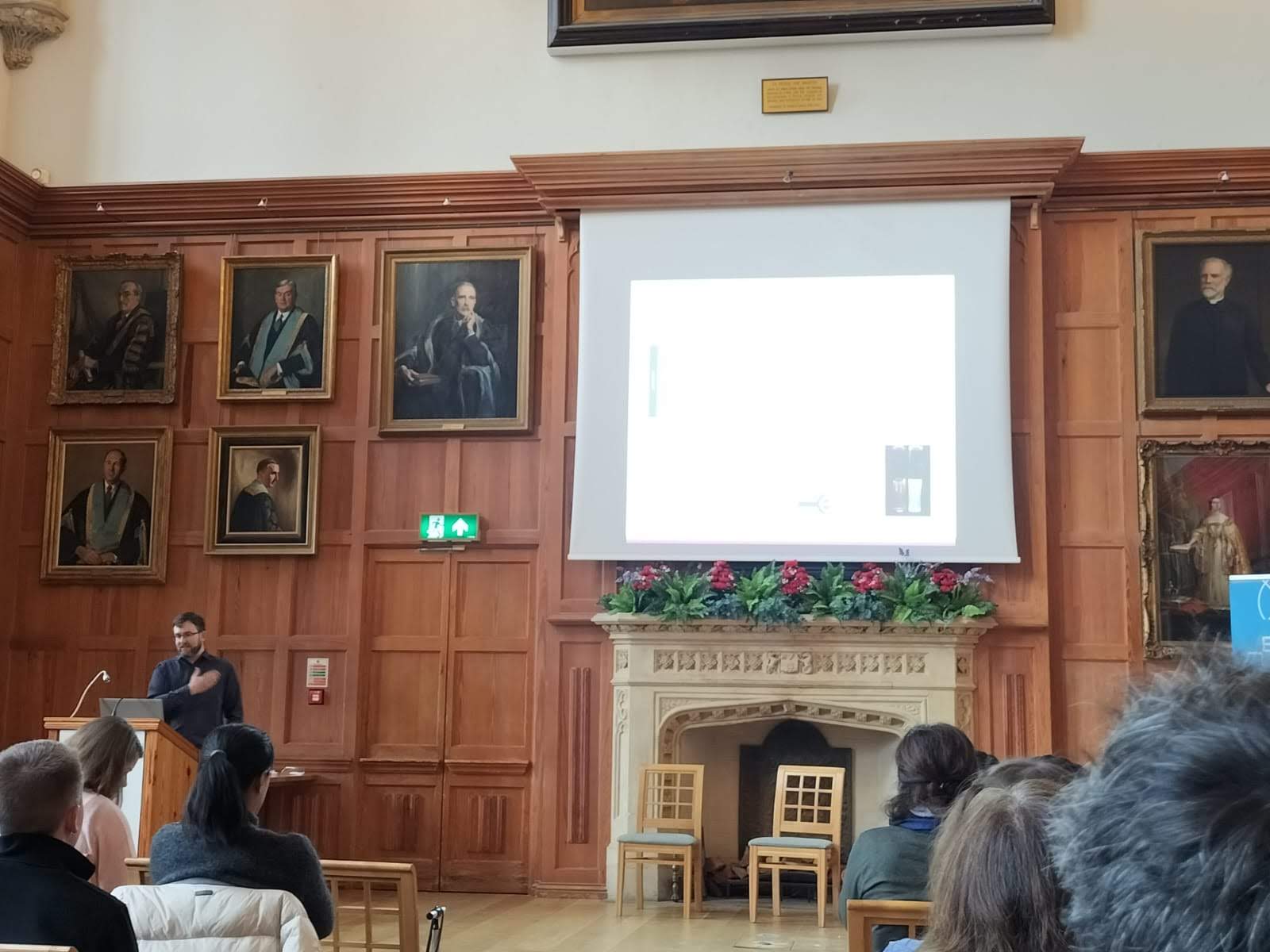
Members of the team attended the RSC Carbohydrate Interest Group Annual Meeting at Queens University Belfast. Joe gave an oral presentation in the Great Hall. There were many interesting international speakers including Alexander Titz and Ulf Nilssen, as well as contributors from the UK and Ireland. The event was co-sponsored by the Institute of Chemistry of Ireland also (Division on Medicinal Chemistry), making it an excellent all-island event. Thanks to Gerd Wagner and Aisling Ní Cheallaigh, among others, for organising.

This meeting also gave an opportunity for the first in-person meeting of the full team of the SugarCoat North South Research Programme project – funded by the Shared Island Fund and the HEA. Postdoc Dr Hannah Crory has been working in the Wylie/McCoy lab in the School of Pharmacy, QUB.

Joe awarded IRC Laureate Starting Award

Minister Simon Harris recently announced the Irish Research Council’s €24m investment in fundamental research through the Laureate Awards, including a new project, designed by Joe: Link4Lectin – “Mechanically linked molecular strategy for novel antimicrobial agents, pairing bioactive metal complexes with targeting of the carbohydrate-binding proteins of bacteria”. €399,000 have been committed to this project, in which Joe will lead a team of researchers in discovery of new modular antimicrobial tools. This award will allow Joe to establish independence and expand the group as he moves from University of Galway to UCD.

Announcing the awards, Minister Harris said:

“I am delighted to announce the winners of the second round of the Irish Research Council’s Starting and Consolidator Laureate Awards Programme and I congratulate each of the awardees. It is a pleasure to also welcome the Ukrainian researcher who came to Ireland from the war in Ukraine, and who will collaborate on one of the newly funded projects through the IRC’s innovative Ukrainian Researchers Scheme.

These talented researchers will no doubt contribute hugely towards the world-class excellence that is the bedrock of our research system in Ireland, pushing the boundaries of research knowledge and finding new discoveries that deepen our understanding of the world around us, by looking to the past, questioning the present, and unlocking our future potential.”

Also commenting, Dr Louise Callinan, Director of the Irish Research Council, said: 

“The 48 researchers who will receive funding under the Starting and Consolidator Laureate Awards Programme have the potential to make ground-breaking advances in their respective fields and to bolster Ireland’s competitiveness in European research funding.

This is the second round of Laureate funding and many of the first-round awardees will be completing their research next year. It is testament to the success of the programme that three of the first-round awardees have already gone on to receive European Research Council funding, one as part of Ireland’s first ERC Synergy grant worth €10 million.

The winning projects were awarded on the basis solely of excellence, and applications were assessed through a rigorous and independent international peer-review process.

Keep an eye on our Vacancies page for recruitment as part of this award.
Joe interviewed on Galway Bay FM about SugarCoat

Joe and his colleagues in Queens University Belfast and CÚRAM were recently awarded a North South Research Programme grant to carry out the SugarCoat project, developing smart coatings for medical devices to protect from bacterial infections. Joe was interviewed by Keith Finnegan on Galway Bay FM this morning about the promise of this project in the context of antimicrobial resistance. Listen at the links below.

Press release: NUI Galway (“Researchers aim to give new layer of protection to medical devices”).
Radio Interview on Galway Bay FM: podcast (0:29:00-0:38:50); article summary; [audio file]
Coverage in Connacht Tribune, Daily Mail (UK), Irish Medical Times, and Galway Daily; SFI Research News

Team present at three international conferences

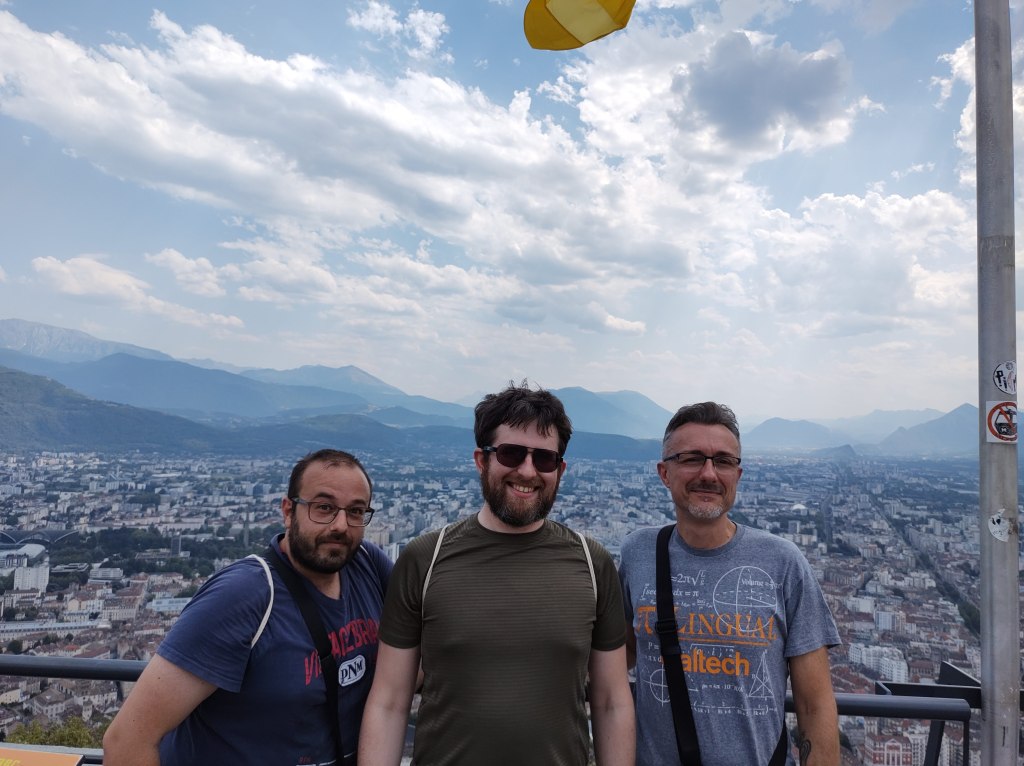
In a busy summer, Joe presented his work in talks at the Molecular Sensors and Logic Gates Meeting (Dublin) and European Biological Inorganic Chemistry Symposium (Grenoble), while Karolina gave an oral presentation at the International Carbohydrate Symposium. Through these presentations, the team have been able to share their latest results from the SFI-funded project with various audiences and field questions and suggestions. Our interdisciplinary work involves using carbohydrate-functionalised metal complexes to sense bacterial proteins. With two years of no international conferences, it has been more valuable than ever to share our results with colleagues and catch up on other developments in the various fields of interest to our work.

  • Invited talk: “Sweetness and Light: Luminescent tools for sensing bacterial carbohydrate-binding proteins”, Joseph Byrne, 7th International Conference on Molecular Sensors and Molecular Logic Gates, 15 July 2022 (Dublin, Ireland) [Programme]
  • Oral presentation: “Shining a Light on Bacteria : Lanthanide- based Glycoconjugate Molecular Sensors for Lectins”, Karolina Wojtczak, 30th International Carbohydrate Symposium, 13 July 2022 (Online) [Programme]
  • Oral presentation: “Carbohydrate-functionalised metal complexes: targeting bacterial carbohydrate-binding proteins for therapeutic and diagnostic applications”, Joseph Byrne, 16th European Biological Inorganic Chemistry Symposium, 20 July 2022 (Grenoble, France) [Programme]

Joe attends Lindau Nobel Laureates Meeting in Germany

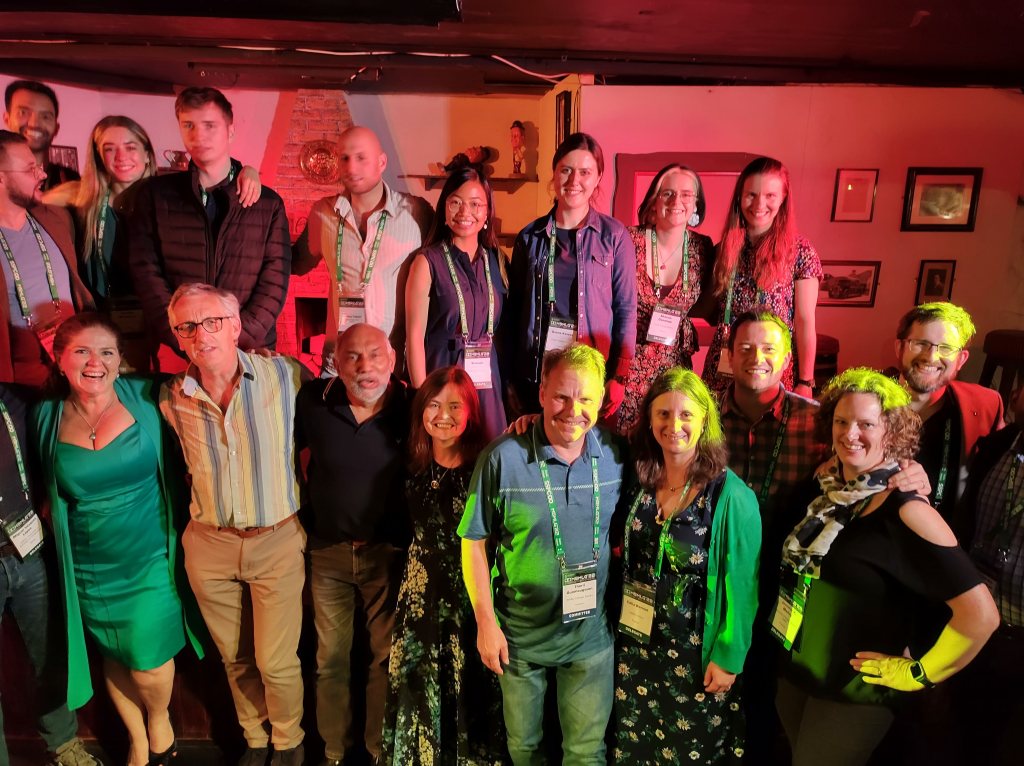
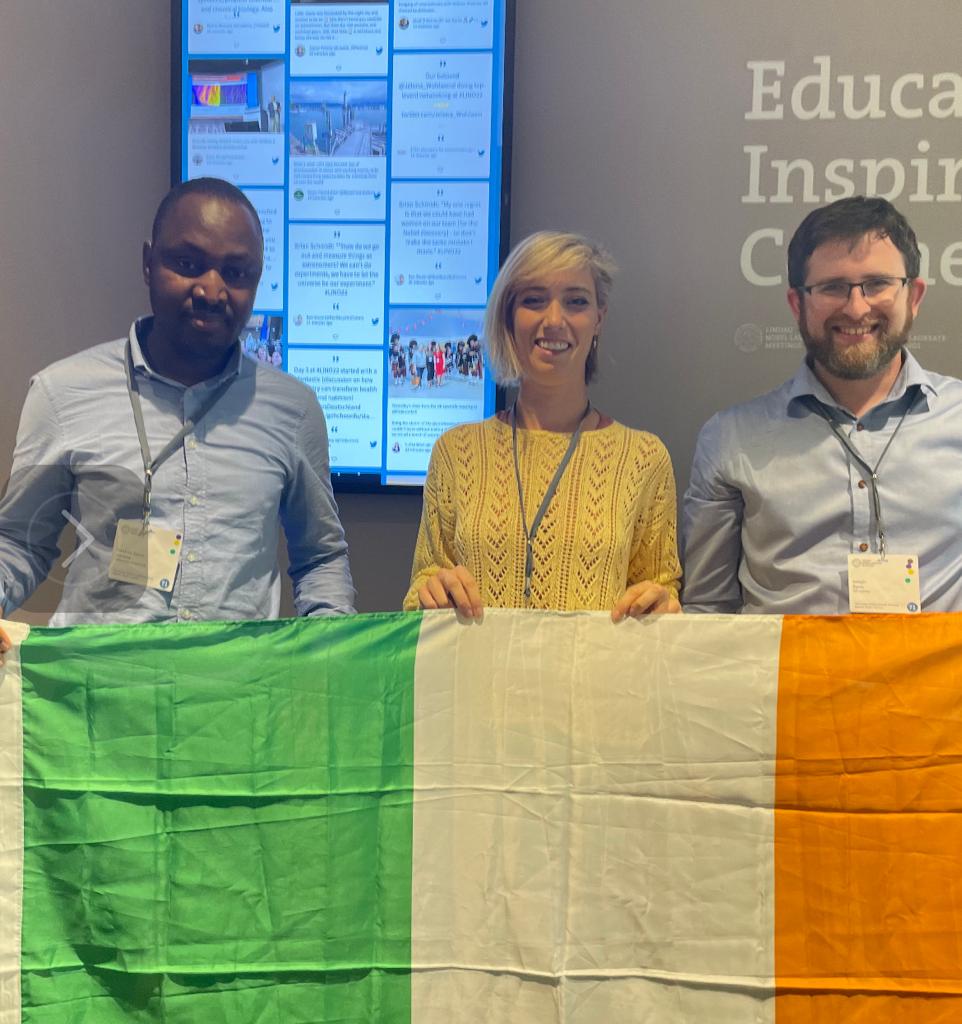
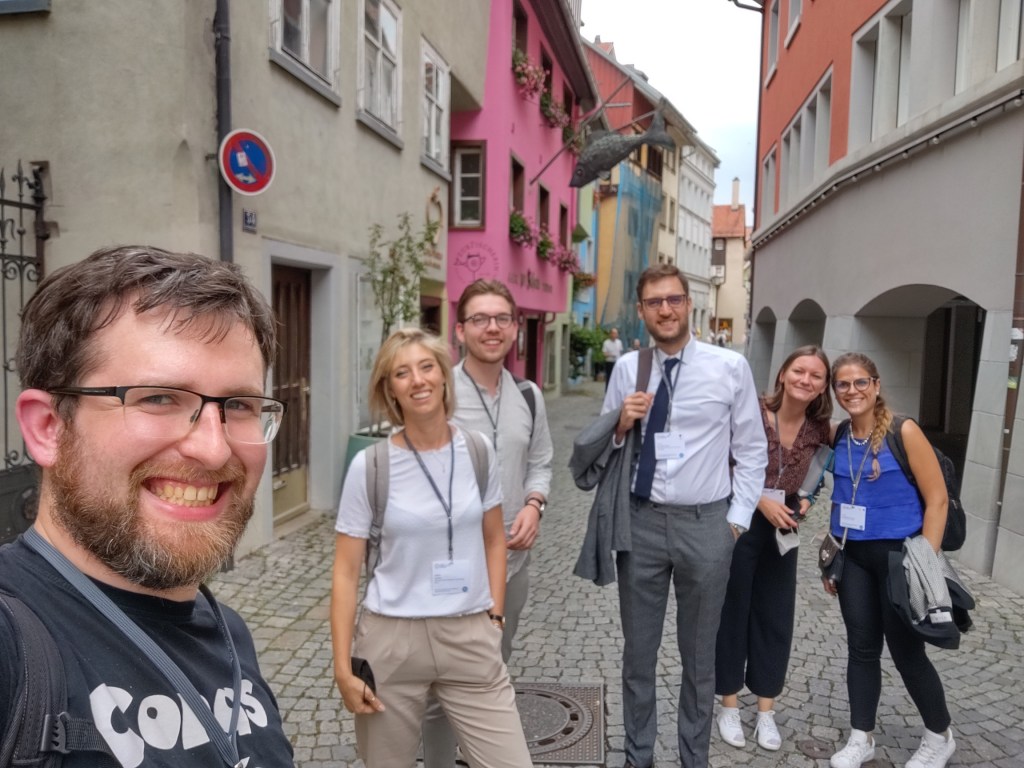
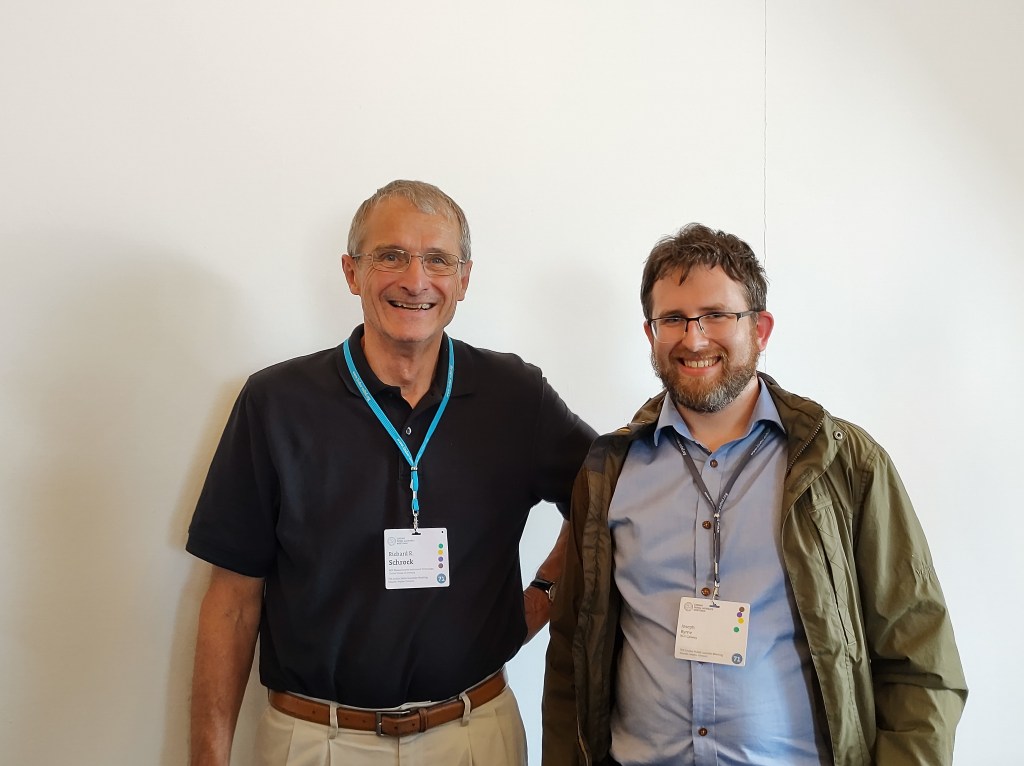
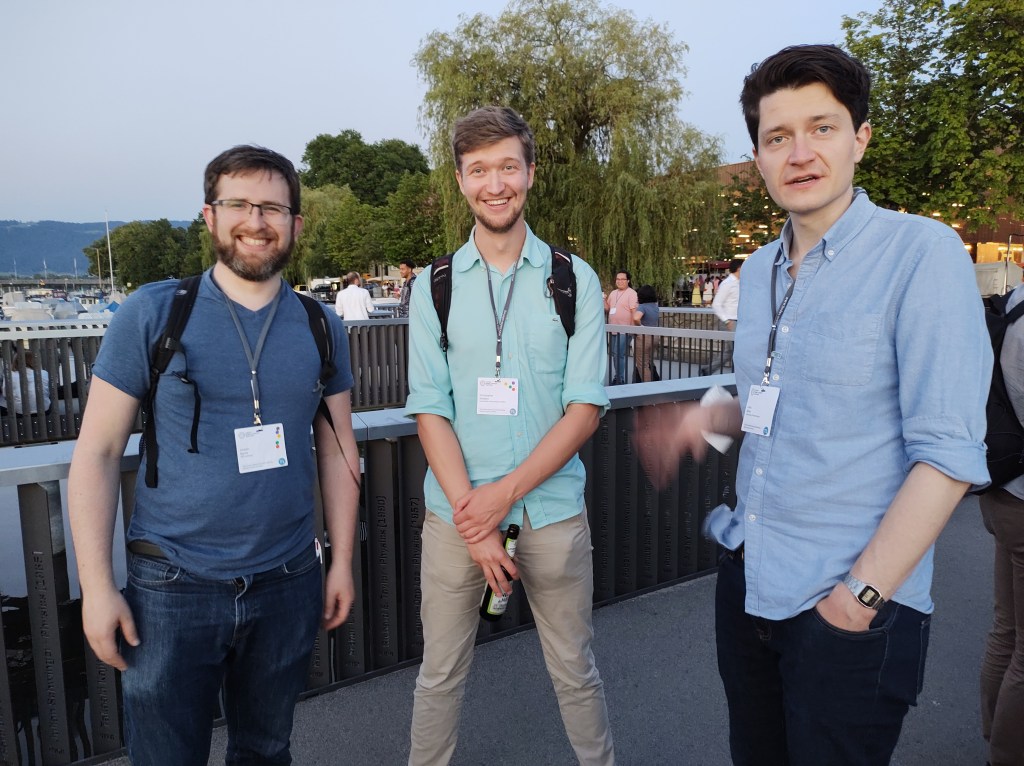
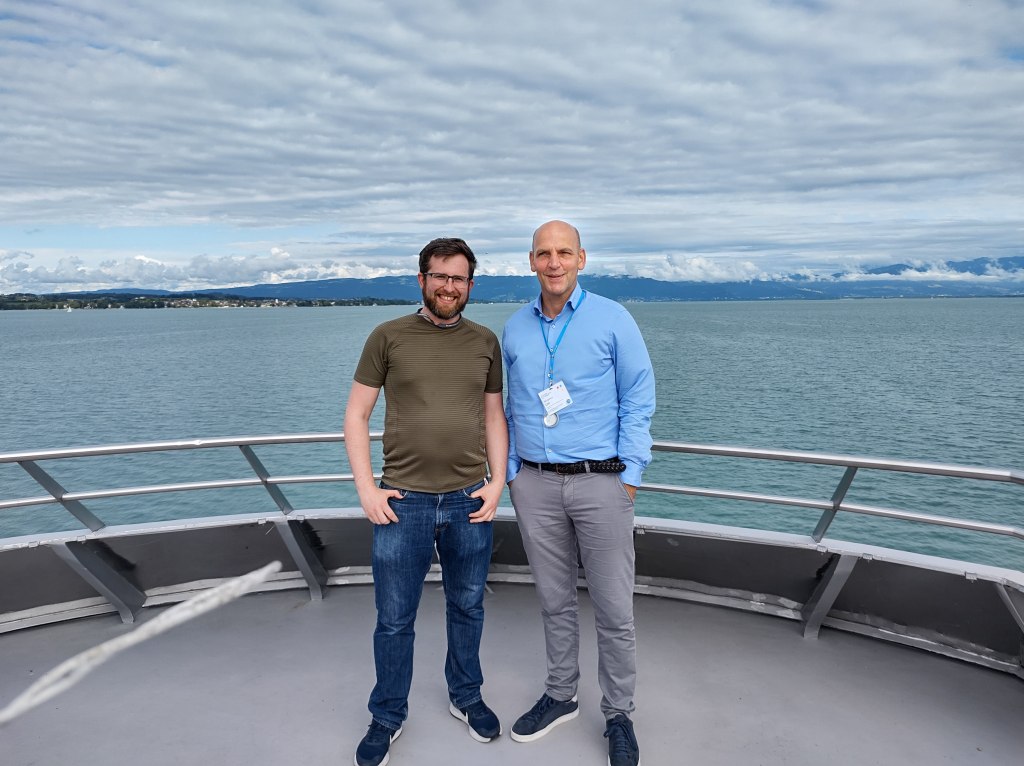
Joe finally attended the prestigious Lindau Nobel Laureates Meeting this year, after two years of pandemic-related postponements. It was an excellent experience, where he met several Nobel laureates including Dick Schrock and Benjamin List, and had dinner with Jean-Marie Lehn and William Kaelin.

Joe has summarised his experiences at the meeting in a blog, which the Irish Research Council asked him to keep while away.