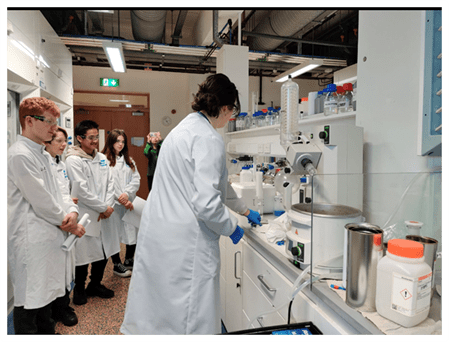
Sophie Kavanagh wrote about her experience hosting TY school students in our lab for some engaging science outreach as part of Systems Biology Ireland’s blog. The CuriosiTY Programme brought postgraduate researchers from the Conway Institute together to take part and introduce students to the world of STEM, and is supported by SFI Discover funding.
The week kicked off with a researcher showcase, allowing each of us researchers to show our journey in STEM, and our current areas of research. This was followed by some laboratory breakout sessions throughout the week, where I gave 4 small groups of students hands-on experience in the world of chemistry. I decided to centre the lab session around carbon dioxide. The sessions began with observing the interaction of dry ice with warm, soapy water, resulting in a flurry of smoky bubbles, full of carbon dioxide. The extinguishing power of carbon dioxide was demonstrated by placing dry ice in a beaker of water and pouring the dense gas over a lit tea candle, causing it to extinguish, showing some properties of carbon dioxide. Next the concept of respiration was explored, linking respiration and carbon dioxide exhalation. I pre-made some lime water for the students to experiment with. The idea here was to send home the message that even though carbon dioxide gas is a colourless, odourless and tasteless gas, we can detect its presence. Each student was given a beaker of lime water with a straw to blow bubbles and observe the colour change from colourless to milky white, and we all had a competition to see who could get their limewater to change colour the quickest. To wrap up the laboratory session, students engaged in a ‘fire-fighting’ activity. I wanted to show an important use of carbon dioxide, and how to make carbon dioxide balloons at home with some common household items (with adult supervision of course!) Students combined a balloon full of baking soda and a bottle of white vinegar, resulting in a balloon full of carbon dioxide gas. One-by-one, a tea candle was lit and students got to release their carbon dioxide-containing balloons, extinguishing the flames. This hands-on experience allowed students to showcase their inner scientists and left them both excited and knowledgeable. Each session was concluded with a tour of the lab, and a Q&A session where they asked me questions about chemistry, the Leaving Cert, and what a typical day in my life looks like.
Well done to Sophie for taking the initiative of taking part of this project with UCD Conway Institute.
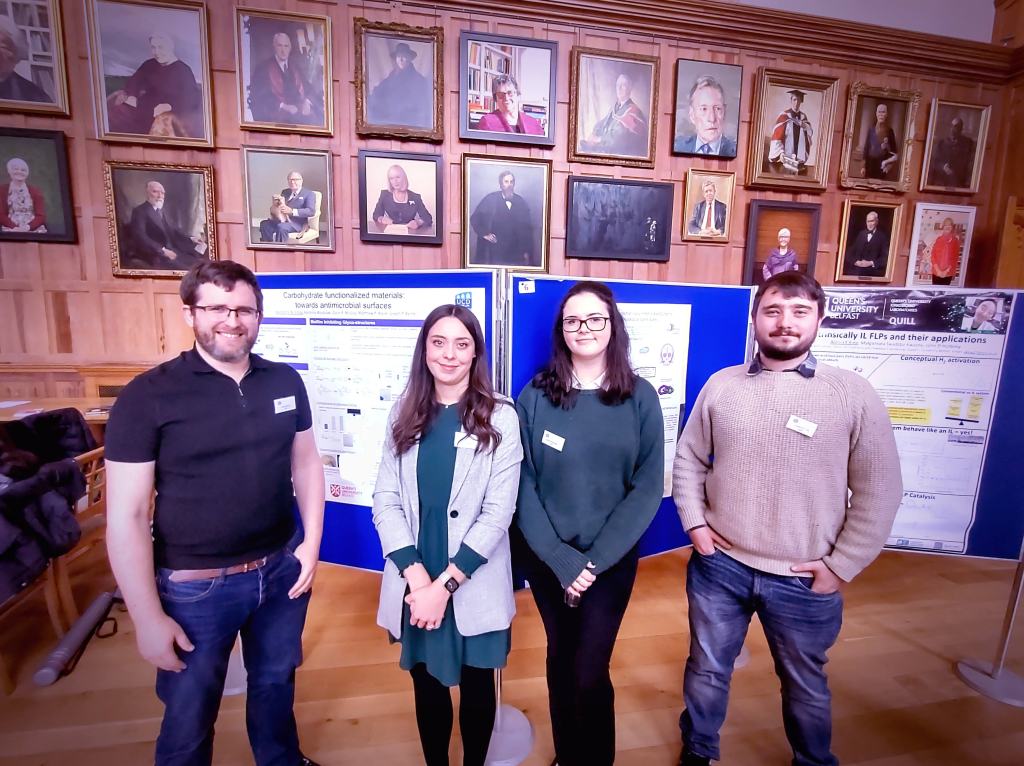
Members of the group attended the Institute of Chemistry of Ireland’s Congress in the Great Hall of Queens University Belfast this week. Two projects were presented as posters: Hannah gave some updates on SugarCoat, while Sophie and Thomas shared a poster highlighting the design of the Link4Lectin IRC Laureate project. Hannah also did an ‘elevator pitch’ for her project and was winner of a poster prize!
It was a very interesting event focussing on sustainability, and also featured the Eva Philbin Award Lecture from our UCD colleague Prof. Susan Quinn.
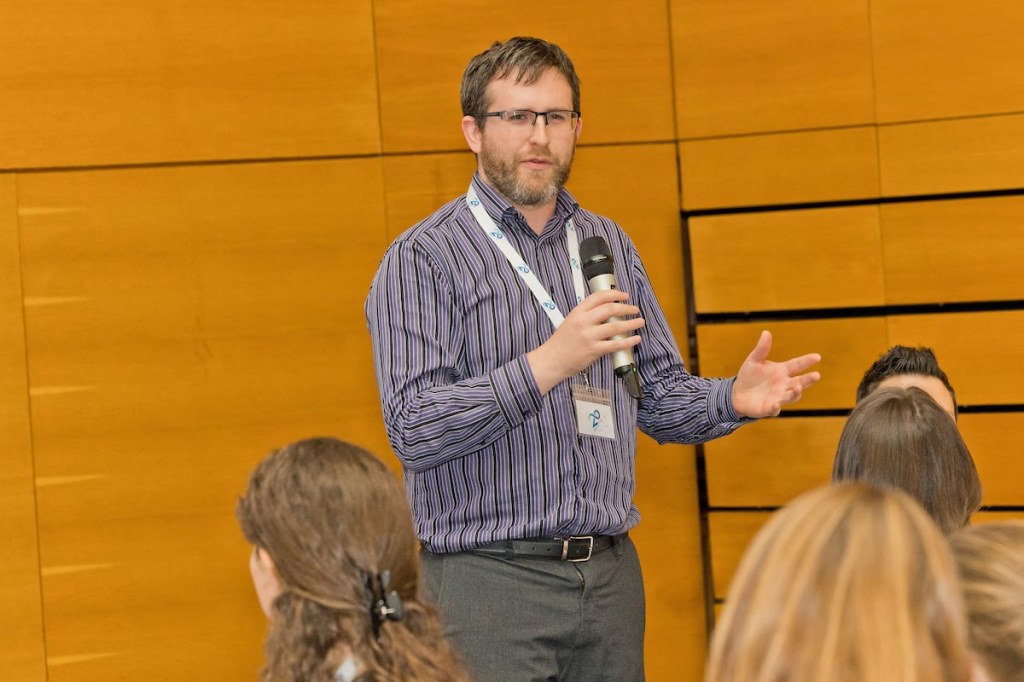
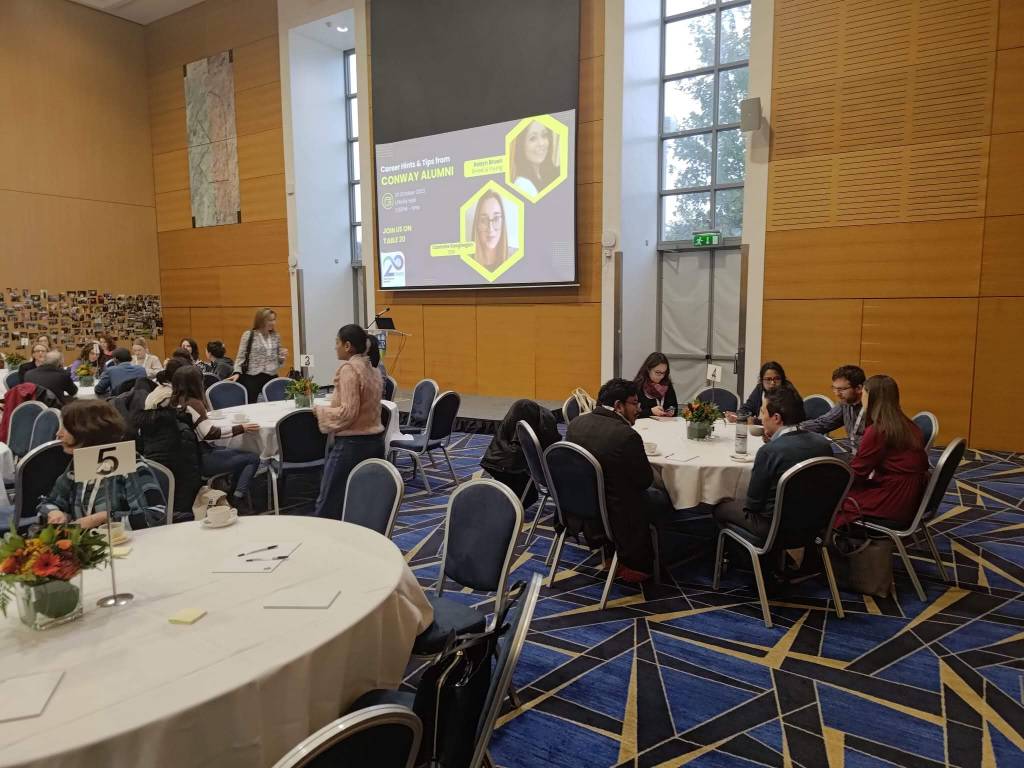
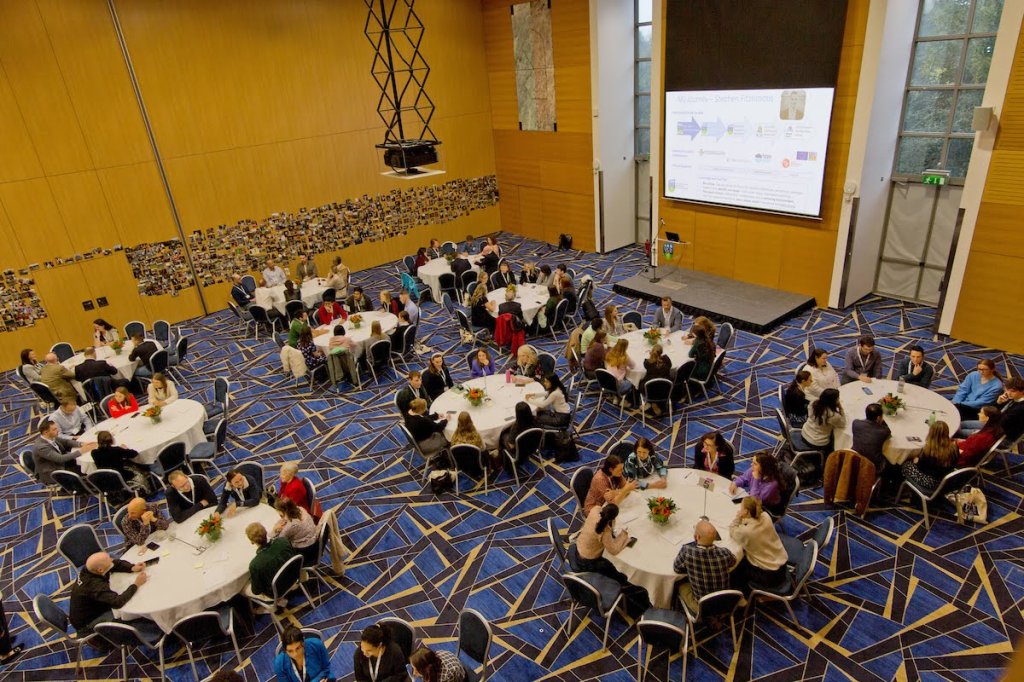
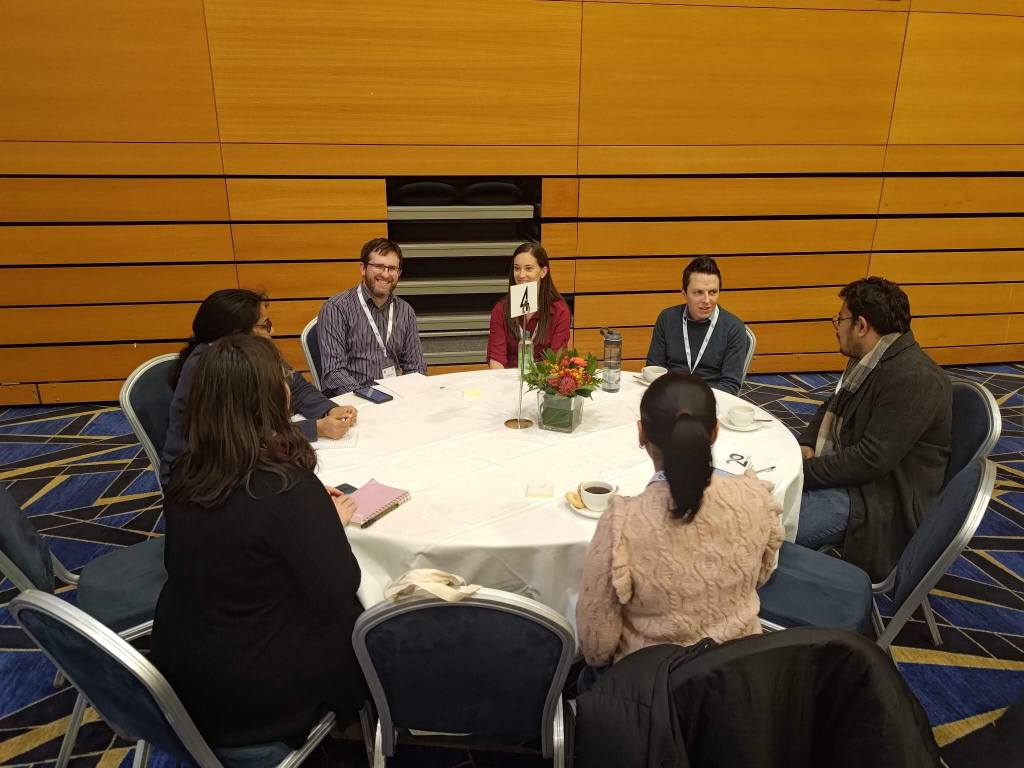
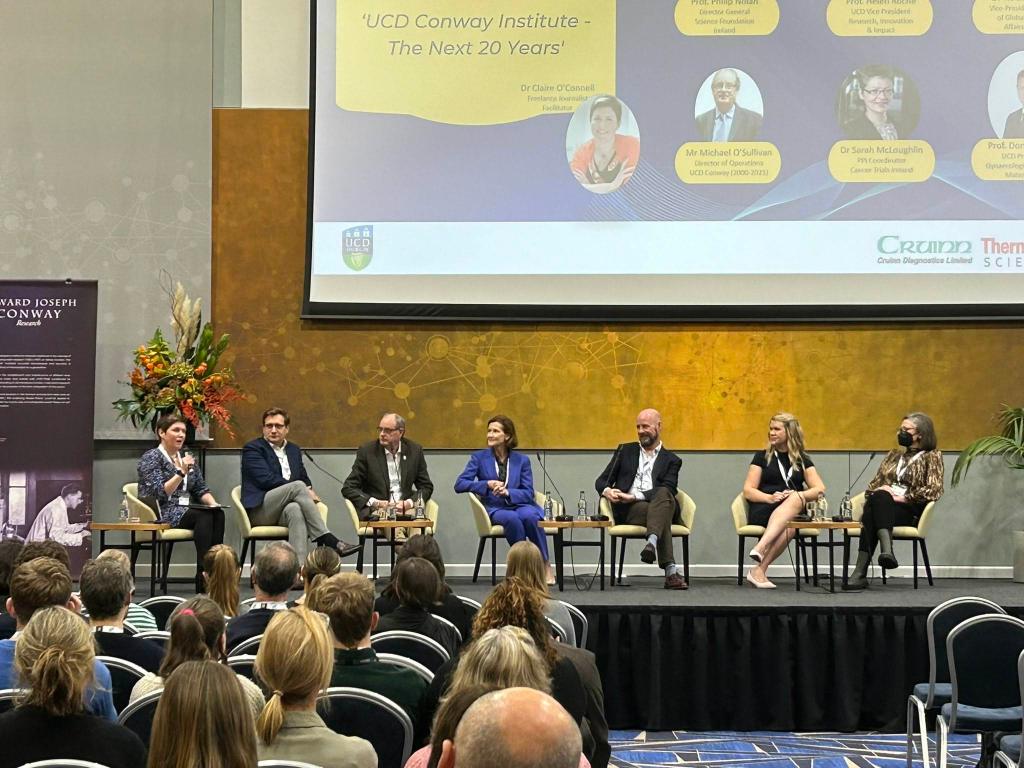
Joe chaired a Conway Institute Alumni careers round-table session at the event celebrating 20 years of the Conway Institute of Biomolecular & Biomedical Research. This interdisciplinary institute produces cutting edge research in a range of fields. Joe was appointed a Conway Fellow this summer. At the event, alumni of the research centre came back to share career advice with young researchers at these round-table events, in addition to panel discussions about the future directions of UCD research, including contributions from Prof Phillip Nolan, the Chair of SFI. Joe facilitated discussion between professionals from pharma, biopharma and clinical data analysis with PhD students and postdocs looking towards their next career steps.
UCD Conway Institute, celebrating 20 years of research and innovation on Friday 20 October ’23,UCD Conway Institute, celebrating 20 years of research and innovation on Friday 20 October ’23,UCD Conway Institute, celebrating 20 years of research and innovation on Friday 20 October ’23,
The group went out for dinner at Farmer Brown’s to celebrate Wanyujin finishing her MSc research project, Sophie joining the group as a new PhD student, and Karolina starting to work in the UCD lab more often. Looking forward to a productive year of research!
We describe glycoconjugate terbium(III) complexes, which are able to detect carbohydrate-binding proteins in aqueous buffer solution. When the carbohydrate motif on the complex matches the target of the protein, an enhancement in lanthanide luminescence is observed. The bacterial lectin LecA (from P. aeruginosa) is one of the detected proteins.
Sensing behaviour of complexes Tb.3. See article for full description of results
This work was funded by Science Foundation Ireland (18/SIRG/5501), with support from a 4th year project student, and our collaborators in TU Dublin (Gordon Cooke) and University of Saarland (Alexander Titz, HZI/HIPS). The interdisciplinary work includes synthesis of new sensor molecules, biological assessment and examination of their lectin binding affinity. We believe this work could lead to the development of tools which could use detection of characteristic proteins from pathogens as a means for diagnosis, and hope to follow up on this in future publications.
Members of the group attended the annual Institute of Chemistry of Ireland event, hosted this year in Galway on 14-15 May 2023. Joe was a judge for the student awards at this event, and – as advisor to the ICI Young Chemists Network – had various meetings about the future direction of the organisation for young chemists. Several new committee members joined the YCN over the course of the Colloquium.
For the first time since the group moved to UCD, we had an in-person meeting of members from Galway and UCD. Karolina was returning from a research stay in Grenoble (funded by the French embassy in Ireland) and updated us on some exciting results, which Thomas, Hannah and Wanyujin gave updates on their work. Afterwards we went out for lunch at UCD Village to talk about future plans.
Joe delivered an oral presentation at the annual Inorganic Ireland Symposium in Trinity College Dublin on 18 May 2023. In his talk, “Carbohydrate-functionalised metal complexes: targeting pathogens for therapeutic and sensing applications”, he spoke about the latest work from the group in using metal complexes to target bacteria and fungi. At this symposium, Prof. Thorri Gunnlaugsson, Joe’s PhD advisor, was presented the ICI David Browne Award and also delivered a talk, including some of Joe’s work from his PhD among the vast array of other work across his career, leading to this recognition. The UCD-based members of the group also attended the lectures and engaged in the question and answer sessions.
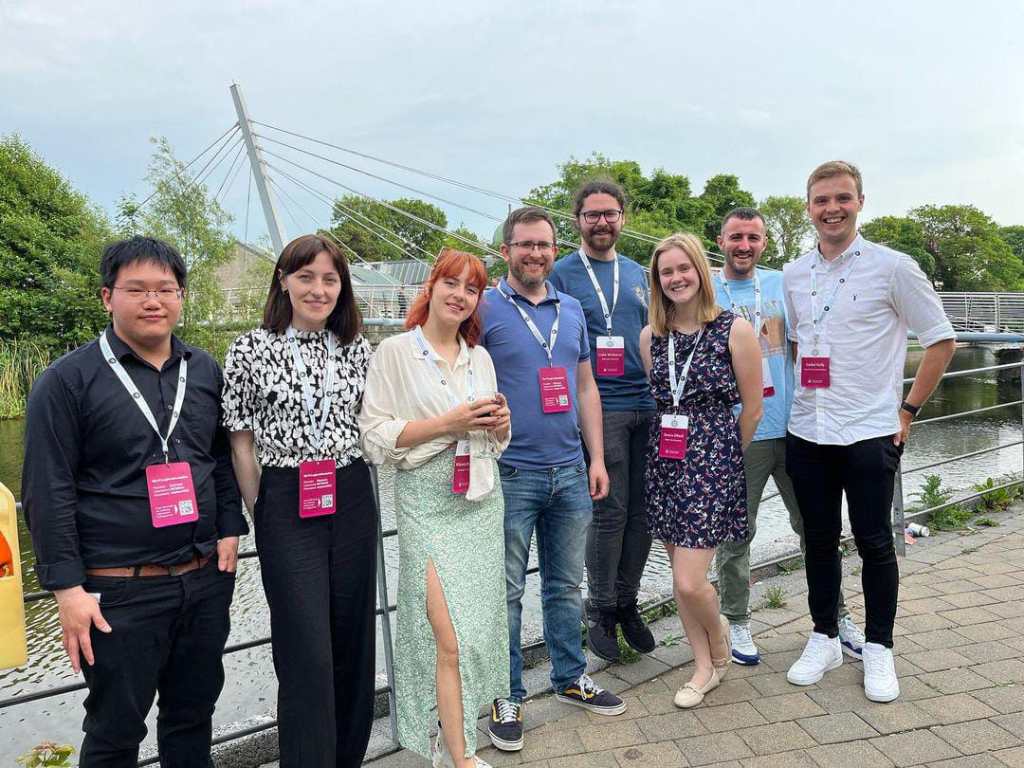
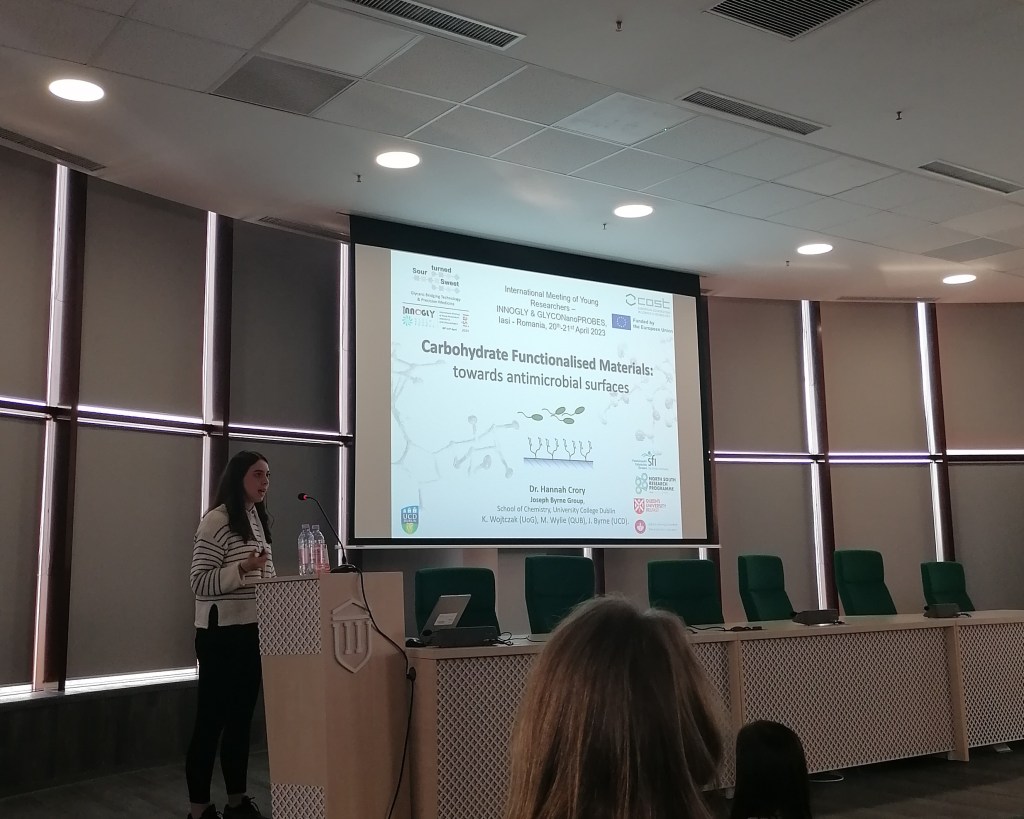
Hannah attended the International Meeting of Young Researchers hosted by InnoGly and GlycoNanoProbes COST Actions in Iasi, Romania in April and presented a talk on Carbohydrate-Functionalised Materials. Joe was part of the organising committee for this meeting, as well.
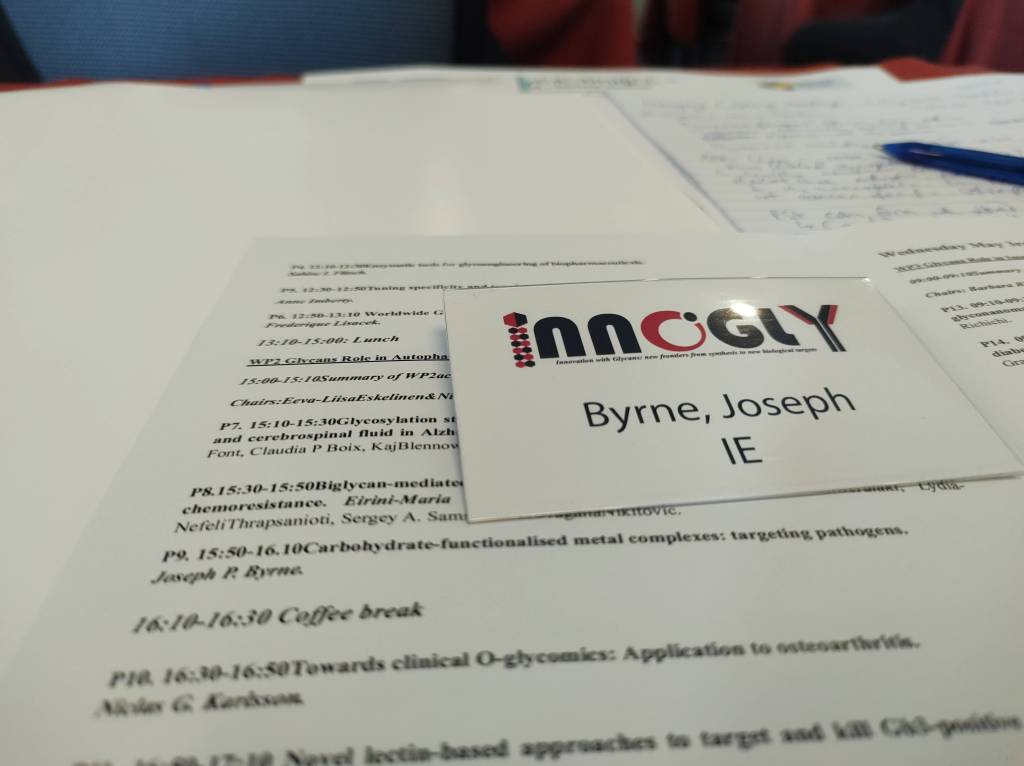
A few weeks later, in May, Joe spoke at the Closing Meeting of the InnoGly COST Action in Heraklion, Greece, a two-day interdisciplinary symposium of carbohydrate and glycan research, particularly focussed on the role of glycans in health and immunity. His presentation on carbohydrate-functionalised metal complexes prompted some interesting discussions with scientist from other disciplines.
Hannah speaking in IasiInternational Meeting of Young Researchers attendeesLunch at InnoGly Closing MeetingAttendees at Closing Meeting in Heraklion
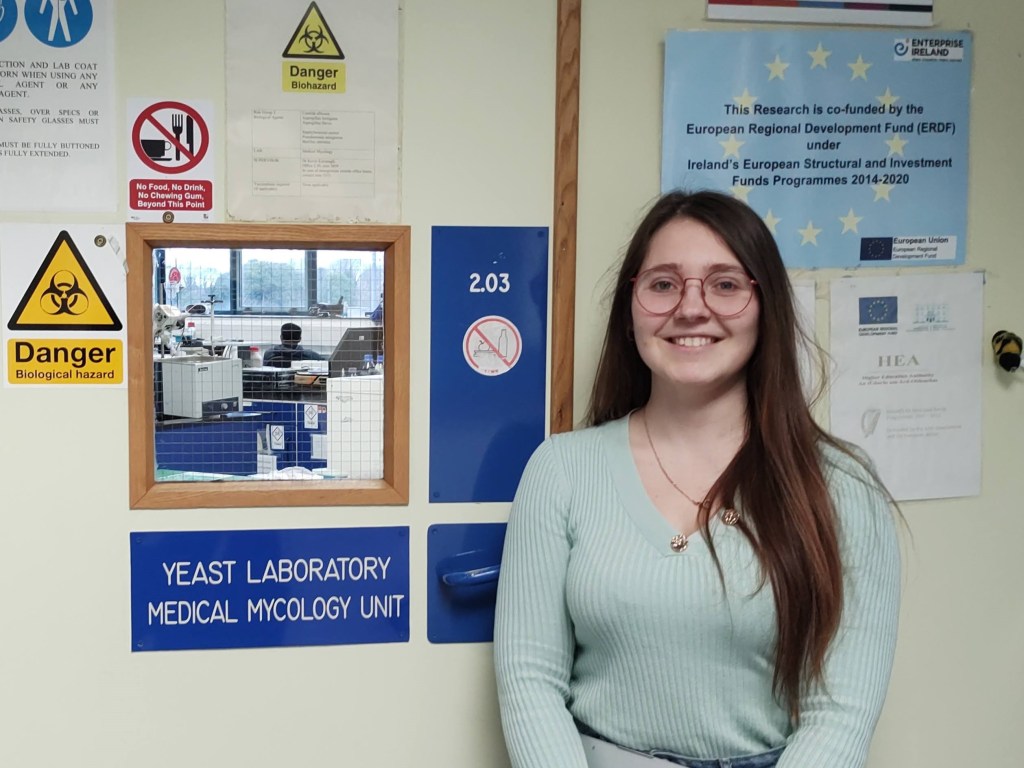
Karol set up a collaboration with Prof Kevin Kavanagh in Maynooth to investigate the effects of carbohydrate-functionalised metal complexes on Candida albicans. She spent 10 days working in the Kavanagh lab recently, carrying out her own biological assays and collecting some very promising results of the impact on yeast cells. There will be further updates about this in the future!